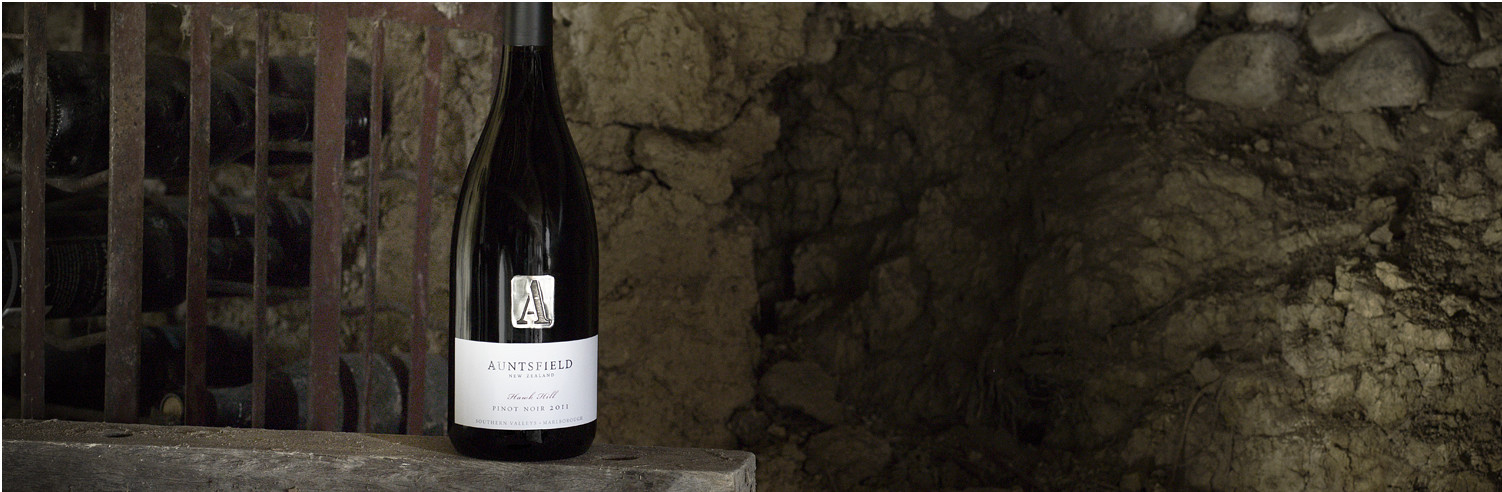
This wine pays tribute to David Herd, who established Marlborough’s first commercial vineyard and winery at Auntsfield in the 1890s.
Using David’s original vineyard site and specific Muscat Clone, this wine is made by applying the Methode Ancestrale technique, which can be traced to production of the first sparkling wine “Blanquette de Limoux” in 1531. As in the 153o’s and 1890’s, fermentation with natural yeast is completed in bottle. The result is a wine that honours the foundational work of our ancestors and celebrates continued discovery and pleasure.
This wine pays tribute to David Herd, who established Marlborough’s first commercial vineyard and winery at Auntsfield in 1892.
Using David’s original vineyard site and specific Muscat Clone, this wine is made by applying the Méthode Ancestrale technique, which can be traced to production of the first sparkling wine “Blanquette de Limoux” in 1531. As in the 153o’s and 1890’s, fermentation with natural yeast is completed in bottle. The result is a wine that honours the foundational work of our ancestors and celebrates continued discovery and pleasure.
TASTING NOTES
With each bottle being it’s own fermentation no two bottles are exactly the same. With little sulphur in bottle, this wine evolves in the glass.
AROMA: Initially this wine has fresh aromas of fresh apple, elderflower, nashi pear with hints of mint, and wild honey. In the glass, the brighter apple and pear notes dissipate and reveal more of the Muscat floral and exotic spice aromas.
PALATE: The palate is light and lively with a fresh and crisp acidity. Light yeast lees in bottle give a generous weight to the palate, with a brioche and almond flavours complementing the floral varietal aromatics.
ANALYSIS: Alc. 11.5 % | pH 3.24 | TA : 6.5 | R.S. 4.0 g/L
WINEMAKER’S NOTES
After whole bunch pressing, the juice is put into tank until natural fermentation begins. Once fermentation gets close to finishing, the ferment is chilled, racked and clarified. This slightly sweet wine is bottled under crown seal. For a couple of weeks, nothing happens, then slowly, the remaining yeast begins the second fermentation in bottle. This is completed in early spring. Unlike a Méthode Traditional (Champagne), the yeast is left in the bottle, and no further additions are made, allowing further bottle development.
VITICULTURALIST’S NOTES
The historic Petits Grains Muscat block is exactly where it all started at Auntsfield in 1873. These vines are trained along the old wire and Manuka posts as they historically were. This block has the potential for heavy crops, so we spend a lot of time carefully removing leaves very early in the season before flowering to reduce the bunch sizes and number of berries that set. Each bunch is carefully tended to during the growing season as this variety is fragile and requires optimum conditions to fully express the incredible aromatics of Muscat.
With each bottle being it’s own fermentation no two bottles are exactly the same. With little sulphur in bottle, this wine evolves in the glass.
AROMA: Initially this wine has fresh aromas of fresh apple, elderflower, nashi pear with hints of mint, and wild honey. In the glass, the brighter apple and pear notes dissipate and reveal more of the Muscat floral and exotic spice aromas
PALATE: The palate is light and lively with a fresh and crisp acidity. Light yeast lees in bottle give a generous weight to the palate, with a brioche and almond flavours complementing the floral varietal aromatics.
ANALYSIS: Alc. 12.5 % | pH 3.30 | TA : 5.5 | R.S. 10 g/L
WINEMAKER’S NOTES
After whole bunch pressing, the juice is put into tank until natural fermentation begins. Once fermentation gets close to finishing, the ferment is chilled, racked and clarified. This slightly sweet wine is bottled under crown seal. For a couple of weeks, nothing happens, then slowly, the remaining yeast begins the second fermentation in the bottle. This is completed in early spring. Unlike a Méthode Traditional (Champagne), the yeast is left in the bottle, and no further additions are made, allowing further bottle development.
VITICULTURALIST’S NOTES
The historic Petits Grains Muscat block is exactly where it all started at Auntsfield in 1873. These vines are trained along the old wire and Manuka posts as they historically were. This block has the potential for heavy crops, so we spend a lot of time carefully removing leaves very early in the season before flowering to reduce the bunch sizes and number of berries that set. Each bunch is carefully tended to during the growing season as this variety is fragile and requires optimum conditions to fully express the incredible aromatics of Muscat.
TASTING NOTES
With each bottle being its own fermentation no two bottles are exactly the same. With little sulphur in bottle, this wine evolves in the glass.
AROMA: Initially this wine has fresh aromas of fresh apple, elderflower, nashi pear with hints of mint, and wild honey. In the glass, the brighter apple and pear notes dissipate and reveal more of the Muscat floral and exotic spice aromas
PALATE: The palate is light and lively with a fresh and crisp acidity. Light yeast lees in bottle give a generous weight to the pallet, with a brioche and almond flavours complimenting the floral varietal aromatics.
ANALYSIS: Alc. 12.5 % | pH 3.49 | TA : 5.0 | R.S. 10 g/L
WINEMAKER’S NOTES
After whole bunch pressing, the juice is put into tank until natural fermentation begins. Once fermentation gets close to finishing, the ferment is chilled, racked and clarified. This slightly sweet wine is bottled under crown seal. For a couple of weeks, nothing happens, then slowly, the remaining yeast begin their second fermentation in bottle. This is completed in early spring. Unlike a Methode Traditional (Champagne), the yeast is left in the bottle, and no further additions are made, allowing further bottle development.
VITICULTURALIST’S NOTES
The historic Petits Grains Muscat block is exactly where it all started at Auntsfield in 1873. These vines are trained along the old wire and Manuka posts as they historically were. This block has the potential for heavy crops, so we spend a lot of time carefully removing leaves very early in the season before flowering to reduce the bunch sizes and number of berries that set. Each bunch is carefully tended to during the growing season as this variety is fragile and requires optimum conditions to fully express the incredible aromatics of Muscat.
TASTING NOTES
With each bottle being it’s own fermentation no two bottles are exactly the same. With little sulphur in bottle, this wine evolves in the glass.
AROMA: Initially this wine has fresh aromas of fresh apple, elderflower, nashi pear with hints of mint, and wild honey. In the glass, the brighter apple and pear notes dissipate and reveal more of the Muscat floral and exotic spice aromas.
PALATE: The palate is light and lively with a fresh and crisp acidity. Light yeast lees in bottle give a generous weight to the pallet, with a brioche and almond flavours complimenting the floral varietal aromatics.
ANALYSIS: Alc. 11.5 %, pH 3.19, TA 6.8, R.S. 8 g/L +/-
WINEMAKER’S NOTES
After whole bunch pressing, the juice is put into tank until natural fermentation begins. Once fermentation gets close to finishing, the ferment is chilled, racked and clarified. This slightly sweet wine is bottled under crown seal. For a couple of weeks, nothing happens, then slowly, the remaining yeast begin their second fermentation in bottle. This is completed in early spring. Unlike a Methode Traditional (Champagne), the yeast is left in the bottle, and no further additions are made, allowing further bottle development.
VITICULTURALIST’S NOTES
The historic Petits Grains Muscat block is exactly where it all started at Auntsfield in 1873. These vines are trained along the old wire and Manuka posts as they historically were. This block has the potential for heavy crops, so we spend a lot of time carefully removing leaves very early in the season before flowering to reduce the bunch sizes and number of berries that set. Each bunch is carefully tended to during the growing season as this variety is fragile and requires optimum conditions to fully express the incredible aromatics of Muscat.



© Auntsfield Estate, 2026 / Terms of Trade / Privacy